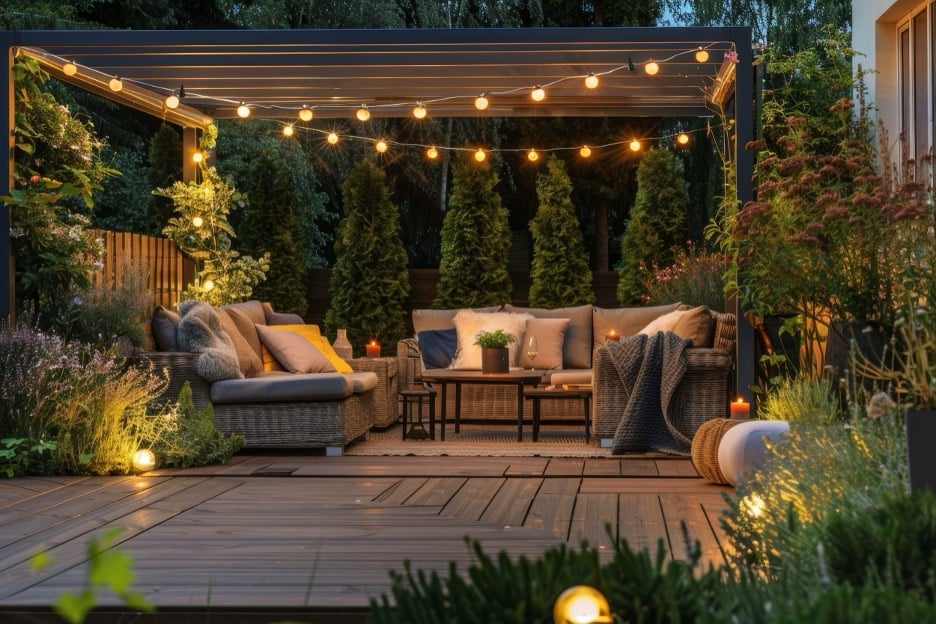
Summer changes how people use their homes. The backyard, the patio, the deck, or even a small balcony becomes an extension of the living space rather than just a view from the window. And just like the inside of a home, an outdoor space that is thoughtfully furnished feels entirely different from one that is thrown together with whatever was on sale at the end of last season. Getting the outdoor space right this summer comes down to understanding what the space is actually used for, choosing materials that hold up in real weather, and selecting furniture that ties the whole area together visually. This guide covers all of it.
Why Outdoor Furniture Deserves the Same Attention as Indoor Furniture
There is a tendency to treat outdoor furniture as a lesser purchase. The thinking goes that since it lives outside and faces the elements, it does not need to be as carefully chosen as what goes inside the home. That thinking leads to furniture that looks worn out within two seasons, pieces that do not work well together, and a space that never quite feels like the relaxing retreat it could be.
The reality is that outdoor furniture takes more abuse than most indoor pieces, which makes quality even more important rather than less. Sun, rain, humidity, temperature swings, and regular use all test outdoor furniture in ways that indoor furniture never faces. A well-chosen outdoor set from a quality manufacturer will look and perform well for many years. A budget set chosen without attention to materials or construction may not make it through a second summer.
Beyond durability, outdoor furniture shapes how you actually use the space. A patio with comfortable seating becomes a place where people naturally gather in the evening. A deck with a well-sized dining set becomes the spot for weekend meals. When the furniture works, the space works.
Start With How You Use the Space
Before looking at any furniture, the most useful thing you can do is be honest about how the outdoor space actually gets used, not how you imagine it might be used in an ideal version of summer.
A household that primarily entertains larger groups needs different furniture than one that mostly uses the patio for quiet morning coffee or evening reading. A family with young children needs different materials and configurations than a couple without kids. Someone who grills and eats outside regularly needs a durable dining setup more than an elaborate lounging area.
Most people fall into one of three use patterns. The first is casual lounging and relaxing, where the priority is comfortable seating, shade options, and a surface for drinks. The second is outdoor dining, where a well-sized table and enough seating for the household plus occasional guests is the main need. The third is entertaining, which often combines both of the above with more seating capacity and attention to layout so groups can move and gather comfortably.
Knowing which pattern fits your household narrows the furniture choices significantly before you ever start looking at specific pieces.
Understanding Outdoor Furniture Materials
Material choice is the single most important factor in outdoor furniture quality and longevity. The same style of chair can be built from five different materials and perform completely differently over time depending on where you live and how much exposure the furniture gets.
Teak is widely considered the gold standard for outdoor wood furniture. It is naturally dense, high in oil content, and resistant to rot, insects, and warping in ways that other woods are not. Teak weathers to a silver-gray patina over time if left untreated, which many people find appealing. It can also be oiled periodically to maintain its original warm brown color. The main drawback is cost. Quality teak furniture sits at a higher price point than most other outdoor materials, but it also routinely lasts twenty years or more with minimal maintenance.
Aluminum is the most practical choice for most households. It does not rust, it is lightweight enough to move and rearrange easily, and it holds up well in nearly every climate. Powder-coated aluminum finishes resist fading and chipping better than painted finishes. The aesthetic has also improved significantly, with aluminum furniture now available in styles that convincingly mimic wrought iron, woven textures, and contemporary profiles.
All-weather wicker, which is synthetic resin woven over an aluminum frame, has become one of the most popular outdoor furniture materials in recent years. It offers the warm, textural look of natural wicker without the maintenance issues that come with real wicker outdoors. Quality all-weather wicker should have a tight, even weave with no loose ends, and the frame underneath should be aluminum rather than steel to prevent rust.
Concrete and stone are increasingly used for outdoor tables and accent pieces. They are extremely durable and visually substantial, but they are also heavy, which makes them better suited to permanent setups than spaces that get frequently rearranged. A concrete dining table paired with lighter seating is a combination that works well both functionally and visually.
Choosing the Right Outdoor Seating
Seating anchors an outdoor space the way a sofa anchors a living room. Getting it right means thinking about both comfort and scale before committing to a specific set.
Comfort outdoors is largely determined by cushion quality and seat depth. Deep-seated lounge chairs and sofas invite long, relaxed sitting. Shallower dining chairs and more upright occasional chairs are better for meals and conversation where you want to sit forward rather than sink back. Most outdoor spaces benefit from having both types, even if the lounging area is just two chairs with a side table.
Outdoor cushion fabric matters more than most buyers realize. Sunbrella and similar solution-dyed acrylic fabrics are specifically engineered for outdoor use. They resist fading from UV exposure, dry quickly after rain, and resist mildew. Cushions made from standard polyester or cotton fabric will fade and deteriorate much faster. When evaluating seating, look for cushions with removable, washable covers and foam that is rated for outdoor use.
Scale is where outdoor seating most often goes wrong. People tend to choose furniture that is too small for the space because the pieces look large in a showroom or a small photo. Outside, where there are no walls creating visual reference points, furniture reads smaller than it does indoors. A sectional or a generously sized sofa that would feel large in a living room often looks just right on a mid-sized patio.
Outdoor Dining: Sizing and Setup
An outdoor dining area works best when the table size matches the realistic number of people who will use it regularly, with enough capacity for guests without being so large it dominates the space.
For everyday household use, the right size is typically a table that seats your household comfortably with room for two to four additional people for gatherings. A family of four can manage well at a 60-inch rectangular table, which also seats six when needed. Going larger than you regularly need creates a table that always feels half-empty and takes up space that could be used for other purposes.
Round tables work better in smaller outdoor areas because they eliminate the corner space that rectangular tables require. They also make conversation easier across the full table since no one is seated at a far end. Square tables offer a similar benefit for groups of four but can feel undersized for larger gatherings.
For patio areas with a dedicated dining zone, leaving at least 36 inches of clearance between the table edge and any wall, railing, or adjacent furniture allows chairs to be pulled out comfortably and people to walk past without squeezing through. On smaller decks or balconies, a bistro table with two chairs often does more useful work than trying to fit a full dining set that leaves no room to move.
Tying the Space Together With Layout and Accessories
Individual pieces of quality outdoor furniture do not automatically create a cohesive outdoor living space. How those pieces are arranged and what surrounds them determines whether the space feels intentional or assembled.
Area rugs designed for outdoor use are one of the most effective tools for defining zones in a larger patio or deck. An outdoor rug under the dining area and a separate one under the seating area visually separates the two zones even when there is no physical barrier between them. Outdoor rugs made from polypropylene are fade-resistant, dry quickly, and can be hosed down when they need cleaning.
Shade is both a functional and a design element. A well-chosen market umbrella or a pergola with a shade sail changes how comfortable and how visually complete an outdoor space feels. A seating area with no overhead element can feel exposed and uninviting even when the furniture itself is beautiful. Umbrellas with a weighted base work well for flexible setups. For more permanent arrangements, a cantilever umbrella or a shade structure attached to the home provides coverage without a pole in the center of the space.
Side tables and surfaces are worth adding even when the main furniture set includes a coffee table. Outdoor seating arrangements where every seat has easy access to a surface nearby are significantly more comfortable and functional than those where people have to lean or reach to set down a glass or a book.
Lighting ties the space together after dark. String lights, lanterns, and path lighting all extend the usefulness of an outdoor space into the evening and add warmth that makes the area feel more like a room than a yard. Solar-powered options have improved substantially and offer a low-maintenance way to add outdoor lighting without running electrical lines.
Frequently Asked Questions
How do we protect outdoor furniture during the off-season?
The best protection for most outdoor furniture is storage covers made specifically for that purpose. High-quality polyester covers with straps or buckles keep moisture, debris, and UV exposure from degrading cushions and frames during months when the furniture is not in use. For areas with harsh winters, storing cushions inside a garage or storage space and covering frames outdoors provides a good balance between convenience and protection.
Is it worth spending more on quality outdoor furniture?
For most households, yes. Mid-range to higher-quality outdoor furniture made with appropriate materials will last significantly longer than budget options, which often need replacement after two to three seasons. Calculated over a ten-year period, a more durable set typically costs less than repeatedly replacing cheaper furniture.
How do we choose outdoor furniture for a small balcony?
Focus on proportion and multi-function. A bistro table with two folding or stackable chairs gives seating and a surface without permanently occupying the full floor space. Wall-mounted folding tables are another option for very tight spaces. Avoid deep-seated lounge furniture on small balconies since it tends to fill the space without leaving room to move comfortably.
What color outdoor furniture holds up best over time?
Darker powder-coat finishes on metal frames tend to show scratches and wear more visibly than medium tones like gray, taupe, or bronze. For cushions, mid-tone solid colors and patterns hide dirt and minor fading better than very light or very dark solids. Solution-dyed fabrics hold color longer than surface-dyed options regardless of the shade chosen.
Can we mix different outdoor furniture styles in the same space?
Yes, with a unifying element to tie them together. Mixing a teak dining set with aluminum lounge chairs works well when the finishes share a similar tone. Mixing wicker seating with a concrete table works when the cushion colors bridge the two materials. The key is having at least one consistent element across the pieces, whether that is finish color, material family, or cushion fabric, so the space reads as curated rather than mismatched.
The Bottom Line
A well-furnished outdoor space does not happen by picking whatever is available and hoping it works together. It starts with understanding how the space gets used, choosing materials built for real outdoor conditions, scaling the furniture to the actual size of the area, and finishing the space with the details that make it feel complete. Summer is short. The right outdoor furniture makes every day of it more enjoyable.